
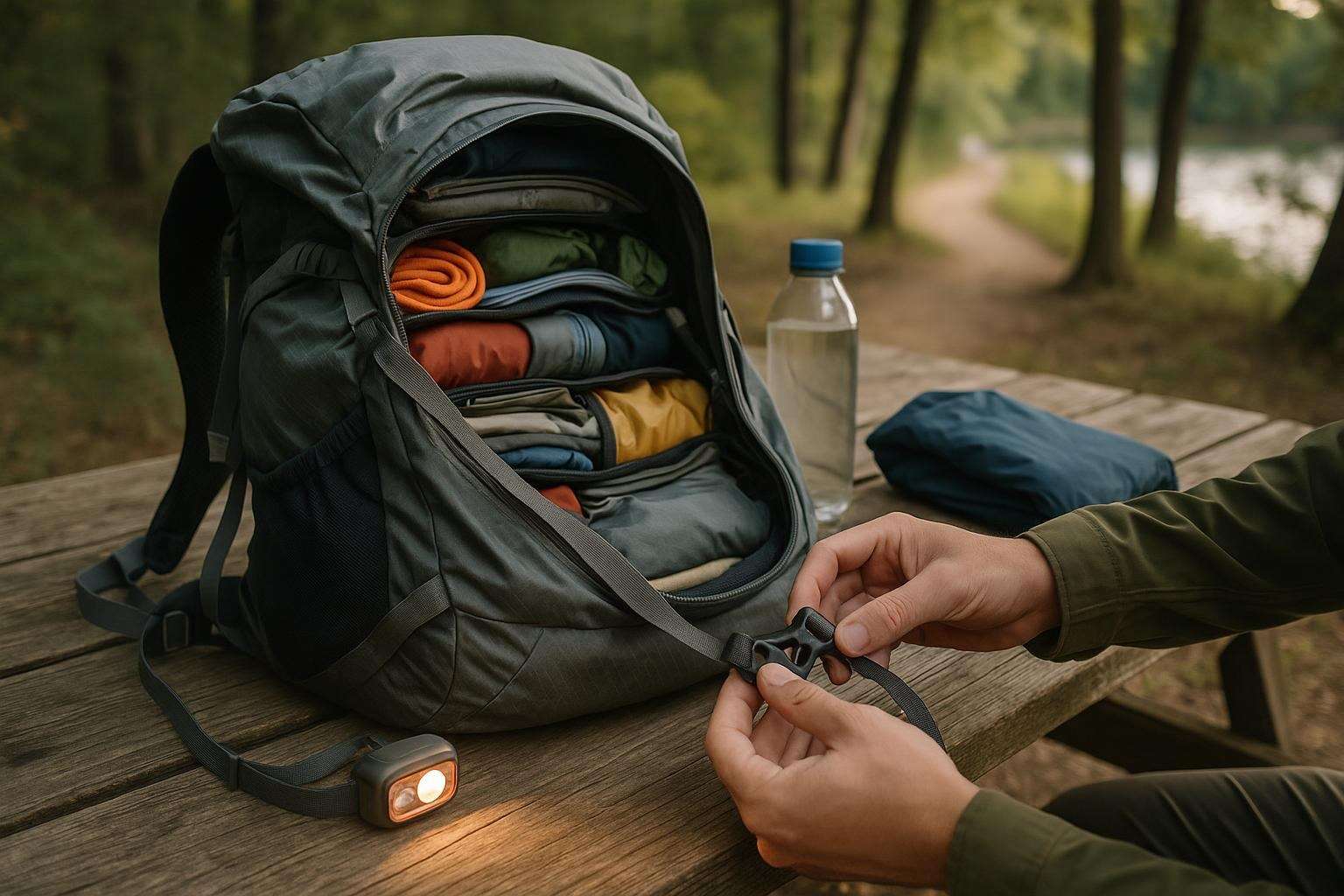
A heavier pack does not mean it is safer and newer gear does not always mean it is more reliable. The real question is whether each piece of gear fits the conditions the activity and the dangers if it breaks. A quick gear audit can find batteries, broken straps, bad layering and missing paperwork before they turn into real problems. It also lets you ditch gear you carry out of habit so you can focus more on the terrain the weather, wildlife and on making choices.
Start with the consequences of failure
gear by what would happen if it fails, not by how much it costs or how new it is. Navigation gear, communication tools, lights, water containers, weather protection and first‑aid kits should get your focus first before you think about convenience items. For a hunt or fishing outing add gear that helps you handle your firearm or rod safely follow the law and release or recover game and fish in a way.
A broken zipper is a bother. A dead phone, an empty light or a soaked insulating layer can become dangerous after dark or if the weather changes suddenly. Check the high‑consequence items first then decide if you need a backup. A second light might be useful on an evening trip but you normally do not need a backup for every small tool.
Inspect of assuming. Switch on lights try power banks check batteries and make sure the charging cables fit the devices you will bring. Look for leaks in water bottles check the stitching of the pack and feel the straps, buckles and closures with your fingers. If a repair is a temporary fix replace that part or limit that gear to a short outing until it can be fixed properly.
Match the load to the route and forecast
Hiking preparation starts with the route, not the backpack. The distance, the ground type, the shade the water sources, the temperature, recent rain and the time of day all decide what you should carry. Conditions in Northeast Texas can change fast especially when the heat, humidity, mud or exposed ground slows your pace.
Wear shoes that match the ground with tread for wet leaves loose soil and uneven terrain. A pair that feels good inside the house may rub after a hours on the trail. Check for soles that are coming apart worn heel structure and dampness that stays after you finish. Hot spots that keep appearing are a sign to change socks, shoes or fit before they turn into blisters.
Use layers instead of one heavy piece of clothing. Pack rain gear when wet weather might hurt your warmth, visibility or grip and protect your electronics from moisture even when the forecast looks good. The aim is not to have the pack but to carry the lightest load that still gives you a good margin for delays changing weather and a slower return than you expect.
Give hunting and fishing gear a separate inspection
General outdoor gear does not replace checks that're specific to the activity. Before you bring a firearm, bow, rod, tackle box or other special gear inspect it in a space and make sure it fits the use you have planned. Follow the maker's safety instructions use gear where needed and do not add quick fixes that could make it fail or become unsafe.
For hunting gear check that how you store, move and handle it follows the law and the landowner's rules. Look over licenses, permits, tags, reporting rules, season dates and species limits before you leave. Texas regulations can. Local rules or property rules may add extra rules. Read the official Texas Parks and Wildlife Department guidance and confirm the rules for the county, property and activity you plan.
Fishing gear needs the care. Replace any line that looks weak check hooks and lures for damage and bring tackle that fits the water and species you are allowed to fish. A release tool, a measuring method and a way to keep fish cool or safely return them to water can help you make choices than a big set of lures.
Use one departure checklist
A short checklist helps you catch things you forgot without turning into a ritual you do from memory. Keep it short to use every time:
– Route starting point and return plan shared with a trusted person
– Weather daylight hours and any fire or access limits checked
– Phone, navigation device, light and backup power tested
– Water, food, first‑aid kit and necessary medicines packed
– Clothing and shoes matched to the forecast and terrain
– Activity‑specific gear inspected and secured
– License, permit, ID and required tags confirmed
– Waste, harvested material and sanitation plan ready
The return plan matters even on familiar ground. Tell someone where you are going when you expect to come and what to do if you do not check in. If the route changes let that person know if it is practical. A map app is handy. It should not be the only way you see where you are or talk to people.
Do not ignore warning signs
Some problems show up early: a flickering headlamp, a crooked pack strap, a stale‑smelling water bottle, loose seam tape or a boot that makes your foot go numb. Treat these as maintenance notes not annoyances. Clean, dry and fix gear after every trip then keep it away from heat, moisture and pests.
Take an item out of use until you can explain the problem. This is especially important for safety gear, broken load‑bearing parts and anything that helps you stay safe. Replacing one part is usually easier than trying to handle it all day with caution and hope.
Preparation also means choosing what not to do. Turning back because the weather gets worse access changes or gear fails is a field decision, not a wasted trip. Leave gates, fences, plants and water edges as you found them; take out all waste avoid disturbance and respect private property and wildlife closures. Conservation ethics are habits that help keep access and habitat safe.
A reliable day outside comes from checks: working gear, clothes that fit the forecast knowing the current rules and a plan that can handle mistakes. Check those points before you leave. Then the field can keep your focus on the right things instead of making you fix preventable problems one, by one.